The Remodel Reality Check: Which Upgrades Build Equity and Which Simply Drain It
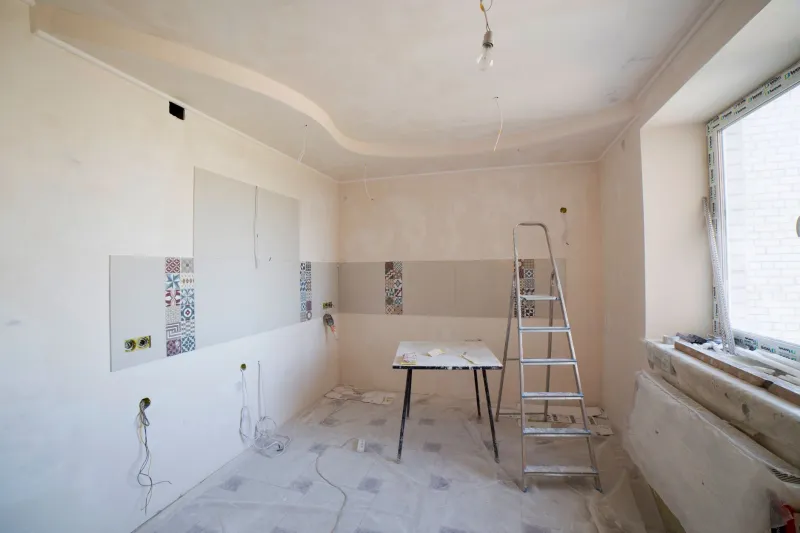
Every year, American homeowners collectively spend hundreds of billions of dollars improving their properties. Kitchen overhauls, spa-inspired bathrooms, backyard entertainment spaces, and home theaters — the list of projects is as varied as the homeowners undertaking them. Yet the uncomfortable truth that the renovation industry rarely advertises is this: a significant portion of that spending produces no meaningful return at resale. Some of it actively reduces a property's competitive appeal.
For homeowners preparing to sell — or simply trying to build equity intelligently — the difference between a value-adding improvement and an expensive personal indulgence can be measured in tens of thousands of dollars.
Why Renovation ROI Is Misunderstood
The popular conception of home improvement is shaped by television programming that consistently conflates personal satisfaction with financial return. A $60,000 primary bathroom renovation may be genuinely beautiful and may bring the homeowner years of daily pleasure. But if comparable homes in the neighborhood are selling for prices that do not support that investment, the market will not reimburse it.
This is the foundational principle of renovation ROI: buyers pay for the neighborhood, then for the home within it. No individual improvement, however exceptional, will lift a property's value beyond what the surrounding market will bear. Overimproving relative to comparable sales is one of the most common and costly mistakes sellers make.
According to Remodeling Magazine's annual Cost vs. Value report — one of the most comprehensive datasets available on the subject — the average major kitchen remodel recoups approximately 49 to 67 percent of its cost at resale, depending on region. A bathroom addition recovers roughly 54 percent. These are not obscure projects; they are among the most frequently undertaken renovations in the country, and yet they routinely fail to return their full investment.
Projects That Consistently Deliver
Not all renovations underperform. Certain improvements demonstrate consistent, meaningful returns across diverse markets and price points.
Garage door replacement has ranked among the highest-ROI projects for several consecutive years in national surveys, recovering an average of 93 to 102 percent of its cost. The explanation is straightforward: garage doors are among the first elements a prospective buyer sees, and an outdated or damaged door signals deferred maintenance throughout the property. A new door is relatively inexpensive, dramatically improves curb appeal, and carries virtually no risk of overimprovement.
Manufactured stone veneer applied to exterior facades consistently recovers 90 percent or more of its cost. Like the garage door, this improvement targets first impressions — a critical factor in how buyers emotionally evaluate a home before they ever step inside.
Minor kitchen refreshes — as opposed to full remodels — offer a substantially better return than their more expensive counterparts. Replacing cabinet hardware, installing new light fixtures, refinishing or repainting existing cabinetry, and upgrading faucets can transform a kitchen's appearance for $5,000 to $15,000 while recovering 70 to 80 percent of the investment. Full gut renovations at $60,000 or more rarely achieve the same proportional return.
Fresh interior and exterior paint remains one of the most reliable value-adding investments available to sellers. Professional interior painting of a full home typically costs $3,000 to $8,000 and consistently generates returns that exceed the expenditure in buyer perception — even if the accounting is difficult to isolate in final sale prices.
HVAC system replacement and other mechanical upgrades — water heaters, electrical panels, roofing — occupy a distinct category. These projects rarely generate buyer enthusiasm, but their absence generates significant buyer resistance. A home with a 20-year-old furnace or a roof approaching the end of its rated life will face price negotiations that often exceed the cost of simply replacing the system before listing.
Projects That Rarely Justify Their Cost
Some renovations are beloved by homeowners and largely ignored by buyers.
Luxury primary bathroom expansions — particularly those involving structural changes, radiant floor heating, or custom tile work — routinely recover 50 percent or less of their cost at resale. Buyers appreciate a clean, functional bathroom. They will not typically pay a premium sufficient to reimburse a full luxury overhaul.
In-ground swimming pools are perhaps the single most market-dependent improvement in residential real estate. In Phoenix or Miami, a pool is a genuine selling point that may recover most of its cost. In Minneapolis or Chicago, the same pool may actually deter buyers who anticipate maintenance expenses and liability concerns, effectively reducing the property's competitive appeal.
Home offices and media rooms — particularly those involving dedicated audio-visual infrastructure or custom built-ins — appeal to a narrow buyer segment. As remote work has normalized, buyers do expect flexible space, but they prefer to configure it themselves. A heavily customized home office may be experienced by buyers as a room requiring renovation rather than an asset.
Sunrooms and enclosed patios recover an average of 48 to 57 percent of their cost nationally. The appeal is real, but the structural cost of a quality addition rarely aligns with what buyers are willing to pay for the feature.
Regional Variation Matters Enormously
National averages provide useful benchmarks, but renovation ROI is profoundly regional. A deck addition in the Pacific Northwest, where outdoor living is a cultural priority, will outperform the national average. The same project in a market where winters are severe and outdoor seasons are short may underperform significantly.
Similarly, energy-efficient upgrades — insulation, window replacement, solar installation — tend to generate stronger returns in markets with extreme climates or high utility costs. In temperate markets, buyers may acknowledge the improvement without paying meaningfully more for it.
Before undertaking any significant renovation with resale value in mind, homeowners are well served by consulting with a local real estate professional who understands what comparable buyers in their specific market are actually paying for — and what they are consistently overlooking.
Making the Decision with Clarity
The most useful framework for evaluating any renovation project is a simple two-part question: Does this improvement bring the home up to neighborhood standards, or does it push it beyond them? And is the motivation primarily personal enjoyment or financial return?
Both motivations are legitimate. A homeowner who plans to live in a property for another decade has every reason to invest in features that improve daily quality of life, regardless of resale recovery. But a seller preparing to list within 12 to 24 months should approach the renovation budget with discipline — targeting improvements that address buyer concerns, enhance first impressions, and eliminate competitive disadvantages rather than expressing personal taste at the market's expense.
At Century 21 Atlas, our agents work with sellers to identify exactly which improvements are worth making before a listing goes live — and which projects are better left to the next owner. That distinction, applied consistently, is one of the most direct paths to maximizing net proceeds.