Before the Doorbell Rings: The Silent Signals Buyers Read at Your Open House
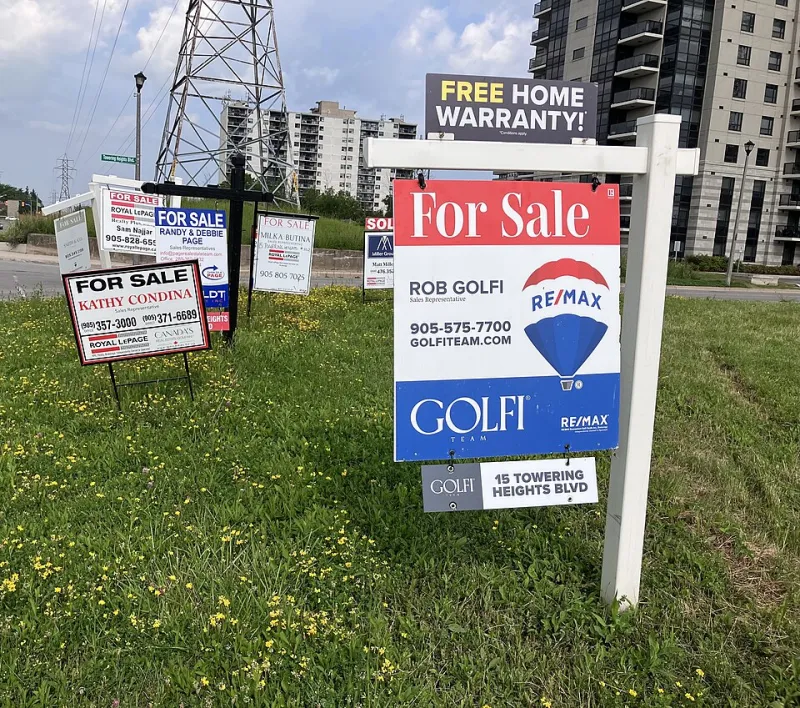
Photo: Gogerr, CC BY-SA 4.0, via Wikimedia Commons
The First Two Minutes That Decide Everything
Ask a seasoned Century 21 Atlas agent what happens at an open house, and they'll tell you the truth: the deal is often decided before the buyer ever reaches the kitchen. Within the first two minutes of arrival, visitors have absorbed a dozen subconscious signals — most of which the seller never thought to control.
Buyers arrive at open houses in a evaluative state. They aren't just touring a property; they're running an instinctive audit of everything from curb appeal to the smell of the air. And because these judgments happen below conscious awareness, sellers who focus only on the obvious — decluttering, fresh paint, a vase of flowers — routinely miss the details that actually move offers.
What Buyers Notice Before They Reach the Front Door
Parking availability. In dense urban neighborhoods from Chicago to Philadelphia, buyers circle the block looking for a spot before they ever walk through your door. If parking on your street is a struggle on a quiet Sunday afternoon, they'll imagine the weekday reality. Agents who know this advise sellers to ask neighbors to move cars when possible, or to include a parking map or permit information in the handout.
The condition of neighboring homes. Your landscaping may be immaculate, but buyers are scanning the whole street. An unkempt yard two doors down registers. You can't fix your neighbor's fence, but you can frame the conversation: agents often prepare context about neighborhood trends and recent comparable sales so the buyer's eye lands on the block's trajectory, not its weakest patch of grass.
The walk from the curb. Buyers notice the sound of their footsteps on your front path, whether the doorbell works, and how smoothly the lock turns. A sticky front door key or a rusted mailbox suggests deferred maintenance. These are five-dollar fixes with five-figure consequences.
Inside the Home: The Senses You Forgot to Stage
Sound. The hum of an aging HVAC system, a rattle from the water heater, the highway noise a seller has long since tuned out — buyers hear all of it, often for the first time. Run your systems before the open house and replace anything that whines, clicks, or groans. If your home backs to a busy road, consider playing soft background music; it's a legitimate staging tool, not a trick.
Smell. Real estate professionals are candid about this: nothing kills a showing faster than odor. Pet smells, cigarette residue, and strong cooking aromas linger in ways sellers stop noticing after months of exposure. The right move isn't a scented candle that masks the problem — it's deep cleaning carpets, upholstery, and drapes before listing.
Light. Buyers equate brightness with maintenance and cheerfulness. Open every blind, replace dim bulbs with higher-lumen equivalents, and make sure every switch works. A burned-out bulb in a closet reads as neglect; a sunlit hallway reads as home.
The Checklist: A Seller's Pre-Open-House Audit
Use this list the week before your first showing:
- Test the doorbell, every light switch, and every lock
- Service or run the HVAC so the home sounds (and feels) comfortable
- Deep-clean carpets and upholstery for odor, not just appearance
- Clear the street of extra vehicles if possible
- Touch up the mailbox, house numbers, and front door hardware
- Stage the entry sequence: path, porch, threshold
- Ask your agent for a neighborhood data sheet to preempt street-level doubts
What Actually Closes the Deal
Ask experienced agents what converts an open house visitor into an offer, and the answer is rarely granite countertops. It's the feeling that a home has been cared for — a signal transmitted through a hundred small cues rather than one big renovation. Buyers extrapolate: if the hinges are oiled and the filters are fresh, they reason, the bigger systems probably were too.
Your Century 21 Atlas agent can walk your property with this audit in hand and identify the silent signals specific to your home and block. The goal is simple: by the time a buyer speaks their first sentence to your agent, they've already started to hope.